Effective product storage is essential in maintaining the quality and longevity of various goods, particularly in sectors like food, pharmaceuticals, and consumer electronics. As consumer demand grows for fresh, high-quality products that are easy to transport, innovative storage solutions have become increasingly important.
Innovations in product storage for freshness preservation
Maintaining freshness during storage and transit is a critical challenge that manufacturers and distributors face. Advanced product storage methods now utilize temperature control, humidity management, and barrier technologies to prevent spoilage and sustain original quality. Refrigerated containers with precise climate control are widely used in the food industry to slow microbial growth and enzymatic activity, thereby protecting freshness and texture. Moreover, modified atmosphere packaging, which alters the composition of gases surrounding the product, extends shelf life by slowing down oxidation and deterioration processes.
The role of materials in protecting texture and structural integrity
Beyond freshness, the texture of products, especially perishable goods like bakery items and fresh produce, is a significant concern during storage. Packaging materials must provide cushioning to prevent mechanical damage while allowing for gas exchange where necessary. Advances in biodegradable foams and flexible films improve impact resistance without compromising environmental standards. These materials help maintain the firmness and crispness demanded by consumers while ensuring products remain visually appealing and safe.
Portability considerations in modern product storage solutions
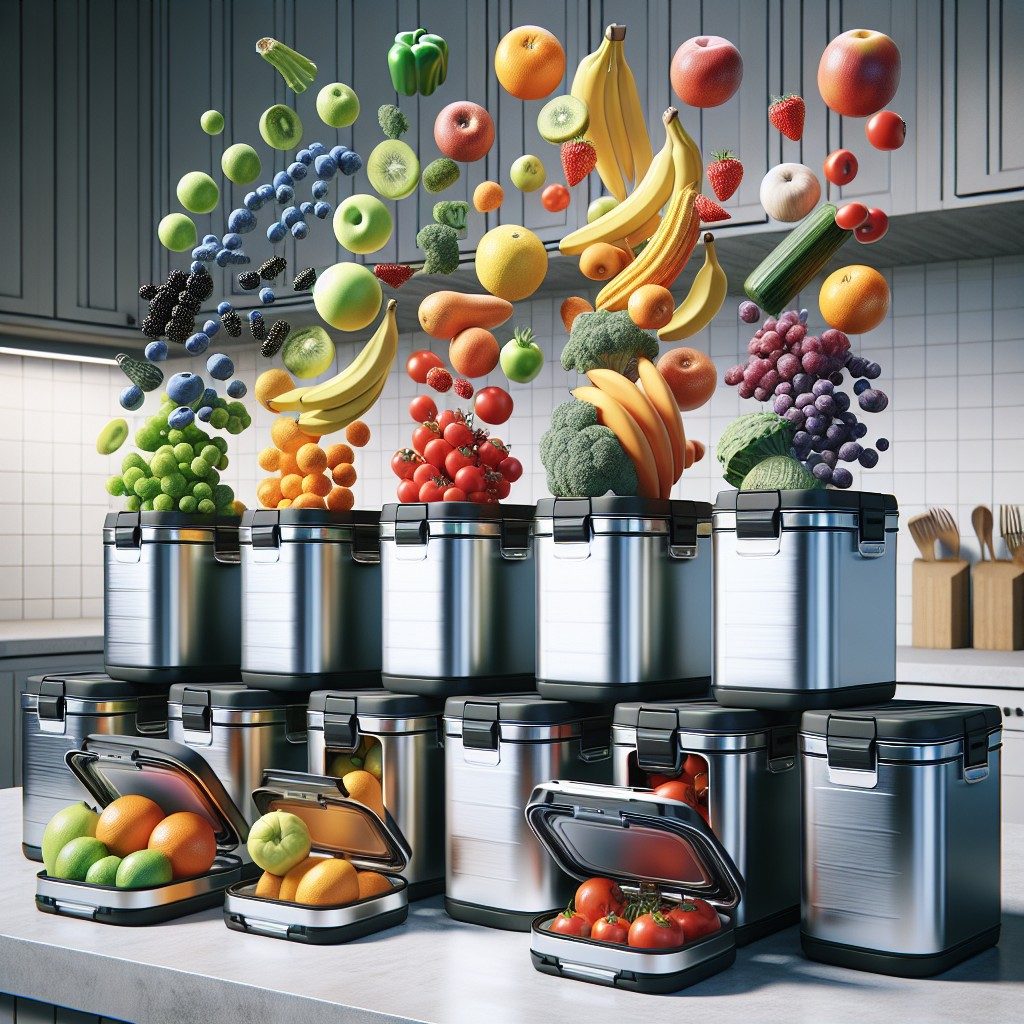
Portability is a key factor influencing product storage, particularly in logistics and retail environments. Storage solutions have evolved to include lightweight, stackable containers that simplify transportation without sacrificing protection. Innovations such as insulated coolers and vacuum-sealed pouches offer convenient, portable options for consumers and suppliers alike. This focus on mobility not only enhances patient convenience in pharmaceuticals or customer satisfaction in foodservice but also reduces transportation costs and carbon footprint.
Technological integration enhancing product storage management
The use of smart technology in product storage is transforming how industries manage inventory and quality control. Sensors embedded within packaging or storage environments monitor temperature, humidity, and exposure to contaminants in real-time. This data enables companies to adjust conditions promptly to avoid spoilage or degradation. Furthermore, blockchain integration ensures transparent and tamper-proof records of product storage history, bolstering trust and compliance with regulatory standards. These technologies reinforce the importance of precise and informed product storage practices.
Environmental impact and sustainability in product storage
Sustainability has become an essential aspect of product storage strategies. Companies increasingly prioritize eco-friendly materials and energy-efficient storage systems to reduce their environmental footprint. Innovations such as reusable containers, biodegradable packaging, and solar-powered refrigeration units highlight this trend. Sustainable product storage not only addresses regulatory pressures and consumer preferences but also fosters long-term operational cost savings and improved brand reputation.
In summary, developments in product storage underline the growing importance of preserving freshness, texture, and portability to meet modern consumer and industry requirements. By integrating advanced materials, smart technology, and sustainable practices, businesses can protect product quality while adapting to logistical challenges and environmental considerations. The future of product storage likely involves continued innovations that balance efficiency, safety, and ecological responsibility.
For further authoritative resources on product storage strategies and developments, organizations can refer to established industry news and reports. Detailed insights from regulatory bodies such as the FDA also contribute valuable guidelines on storage protocols essential for maintaining product integrity.
Frequently Asked Questions about product storage
What are the key factors to consider in effective product storage?
Effective product storage depends on maintaining appropriate temperature, humidity, and protection from physical damage to preserve freshness and texture.
How does product storage affect the shelf life of perishable goods?
Proper product storage slows down spoilage processes like microbial growth and oxidation, thereby extending shelf life and maintaining product quality.
What role does technology play in modern product storage solutions?
Technology introduces real-time monitoring and data management in product storage, helping to optimize conditions and ensure product safety throughout the supply chain.
Are there environmentally friendly options available for product storage?
Yes, sustainable product storage solutions include biodegradable packaging, reusable containers, and energy-efficient refrigeration methods that reduce environmental impact.
Where can I find credible information on best practices for product storage?
Reliable information on product storage best practices can be found on authoritative platforms like the FDA or reputable news outlets such as The Wall Street Journal.