Filtration bags play a critical role in various industrial processes, providing efficient particle separation under different pressure conditions. Selecting materials that can withstand high pressure and maintain performance is essential for operational success and cost-effectiveness. This article delves into the factors influencing material choice for filtration bags, explaining how durability under pressure impacts their functionality.
The importance of material selection in filtration bags
Filtration bags are designed to remove contaminants from liquids or gases in industries ranging from chemical manufacturing to food processing. The material of these bags determines their resistance to chemical exposure, temperature variations, and mechanical stress. Choosing the appropriate material ensures the bags can operate reliably under pressure without tearing or losing filtration efficiency. Materials must balance flexibility, strength, and permeability to meet specific industrial requirements.
Common materials used for filtration bags
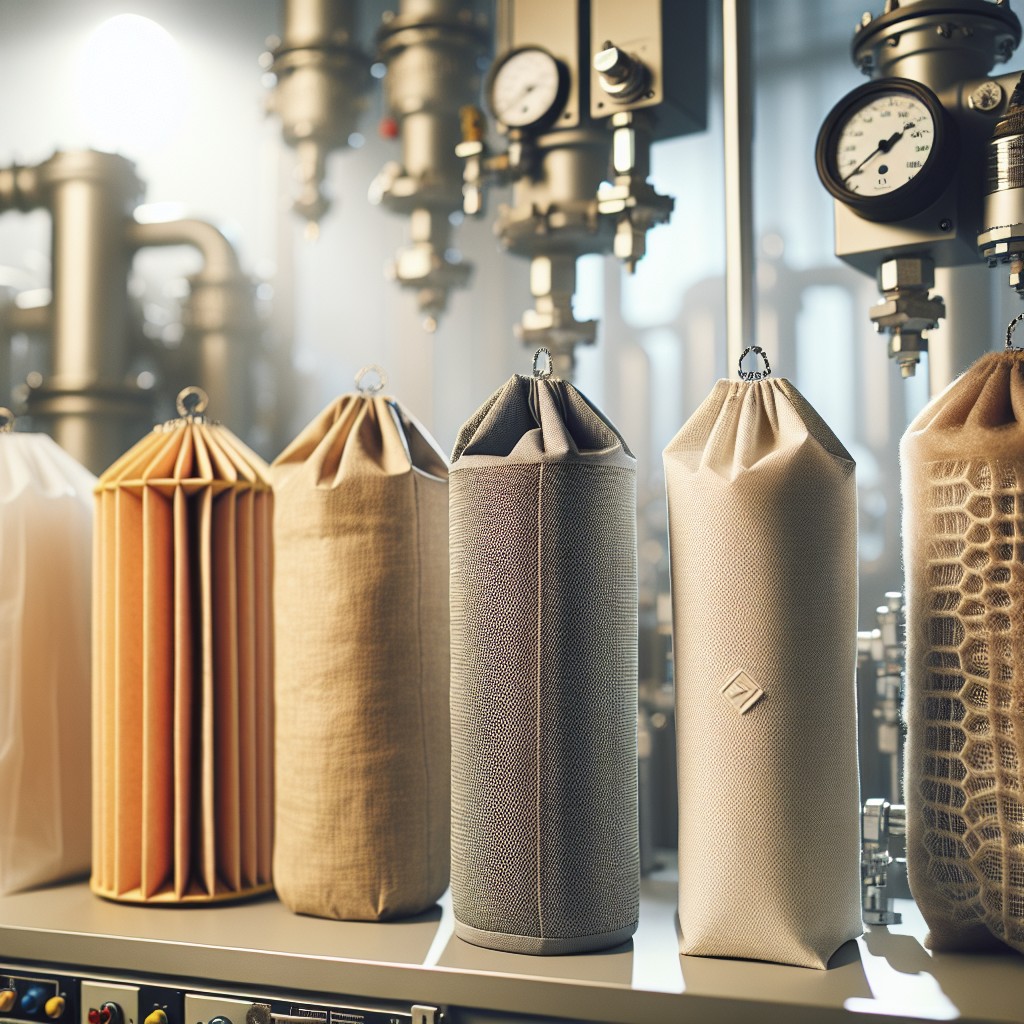
Several materials are frequently employed in filtration bags, each with unique properties. Polyester is widely used due to its moderate chemical resistance and cost efficiency. Nylon offers higher strength and abrasion resistance, making it suitable for more demanding applications. Polypropylene is favored when chemical inertness and moisture resistance are priorities. Advanced options like PTFE (polytetrafluoroethylene) provide excellent chemical and temperature tolerance but at a higher cost. Understanding these materials’ characteristics is crucial to selecting the right filtration bag for a given pressure environment.
How pressure affects filtration bag performance
Pressure impacts the physical integrity and filtration efficiency of filtration bags. Under high pressure, weaker materials risk deformation, rupture, or pore structure alteration, which compromises filtration quality. Materials that maintain their shape and pore size distribution under pressure ensure consistent contaminant removal and prolonged lifespan. Pressure also influences the flow rate through the filtration bags, so materials must support optimal flow without excessive resistance or clogging.
Industry standards and testing for filtration bag materials
To guarantee reliability under pressure, filtration bags must comply with industry standards such as ISO 16889 for particulate removal and specific ASTM test methods that assess tensile strength and chemical resistance. Manufacturers conduct rigorous testing that simulates operating pressures to verify material durability. Documentation of these tests allows industries to match filtration bag materials confidently with process requirements. Regulatory agencies and industry organizations provide guidelines to ensure material selection aligns with safety and performance expectations.
Tips for choosing filtration bags that last under pressure
Selecting filtration bags starts with understanding the operating environment, including pressure levels, fluid characteristics, and temperature. Consulting with suppliers who provide detailed material specifications and testing results can assist in making informed decisions. It is essential to opt for materials proven to withstand the highest pressures expected during filtration, considering potential pressure spikes. Additionally, maintenance protocols should include regular inspections of filtration bags to detect wear caused by pressure stress early.
Conclusion
Material selection for filtration bags significantly influences their ability to perform under pressure. With a variety of materials available, industries must weigh chemical compatibility, mechanical strength, and cost when choosing the right filtration bags. As industrial processes continue to demand higher efficiency and durability, advances in material science and testing standards will play a pivotal role in delivering filtration solutions that last. Ongoing evaluation and adherence to established standards remain essential to ensuring filtration bags effectively meet pressure challenges.
Frequently Asked Questions about filtration bags
What materials are most commonly used in filtration bags for high-pressure applications?
Filtration bags for high-pressure applications often use materials such as nylon and PTFE, which offer high tensile strength and chemical resistance, making them suitable for demanding environments.
How does pressure influence the lifespan of filtration bags?
Increased pressure can stress filtration bags, potentially causing deformation or rupture, which reduces their lifespan. Choosing materials that resist pressure-induced wear helps ensure longer service life.
Can polyester filtration bags be used under high pressure?
Polyester filtration bags are generally suitable for moderate pressure but may not perform well in very high-pressure conditions compared to materials like nylon or PTFE.
Are there international standards for testing filtration bags under pressure?
Yes, standards such as ISO 16889 and ASTM methods exist to test filtration bag materials for their strength and filtration efficiency under specified pressure conditions.
Where can I find more information about filtration bags and industry best practices?
Authoritative sources like the American Society of Mechanical Engineers and established industrial supply organizations provide detailed guidelines and resources concerning filtration bags and material selection.
For additional insights into the role and material considerations of filtration bags in environmental and industrial applications, global news and journalistic resources offer up-to-date reports and expert analysis.